LOCATION: PANAMA CITY, PANAMA
DATES: JUNE 2012
WEATHER: 85-105ºF AND HUMID AF
I earned my bachelors degree in Foreign Area Studies with an emphasis on Latin America and a minor in Spanish. While not the most widely applicable degree, it afforded me many opportunities to travel through my college’s immersion programs. The summer after my sophomore year in college, I was selected for a month-long language and immersion program in Panama City. The program was set-up to take Spanish classes, stay in a Panamanian’s home in the city, and spend our free time traveling the country and getting immersed!
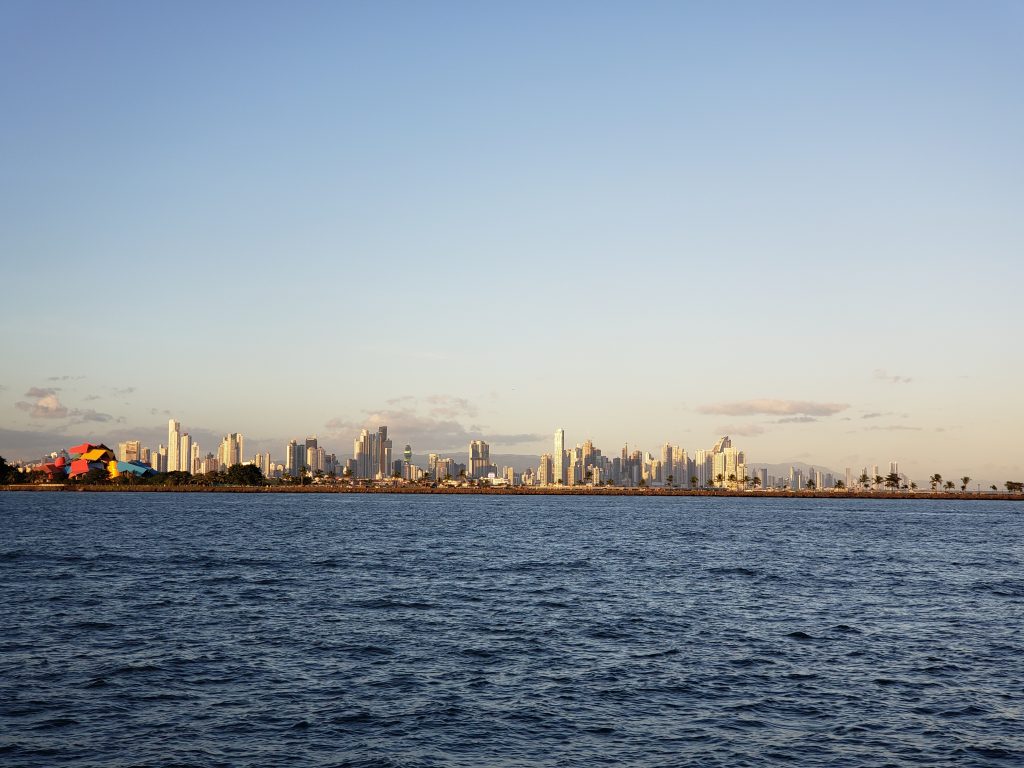
Panama is different than it’s Central American counter-parts in many ways. I’ve read and heard from other travelers that Panama lacks the charm and vibrancy of other Central American countries. However, I think this is a gross generalization and misses the fact that Panama is arguably the most diverse. The canal and financial infrastructure in the city brings people from all over the world. While the city is all hustle and bustle, there are areas of the country that are still under indigenous sovereignty and governed by the Kuna tribe. The canal itself, built for trade and commerce, is also a haven for wildlife. These types of contrasts exist throughout the country making it one of the most unique and diverse places I have visited: wild versus civilized, rudimentary versus developed, traditional versus globalized.
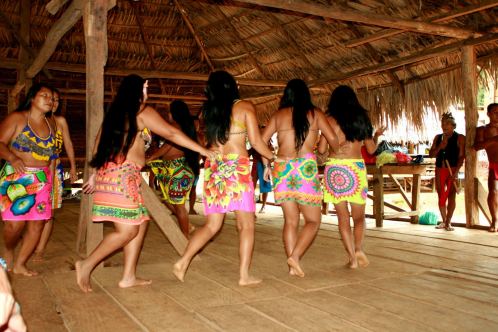
I would be remiss to not mention the incredible people I met while in Panama. From the family owning the major beer company in Panama to two little boys in Casco Viejo that tried to steal my phone, I truly learned about humankind and what makes us all ultimately the same.
One of the neighborhoods of Panama city is called “Casco Viejo” or Old Panama City. The cab ride out there is a little sketchy, going through what looks like the projects and locals will warn about staying out too late in the neighborhood. However, amongst our group of 10 college kids–too broke to hangout at the boujee nightclubs in the center of the city, it became our hangout spot. Specifically, a laid-back bar called Mojito Sin Mojito. There were always pick-up games of fútbol in the center of the neighborhood that a few of the guys in our group would join and the rest of us would watch alongside the neighborhood kids. Which is where met my little dudes.
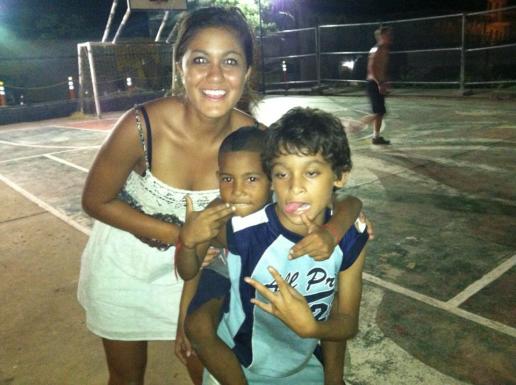
Admist a pickup game, two little boys ran up to me and asked me to take their photo. I obliged, pulling out my iPhone to snap a photo. The minute I pressed the button, the younger boy lunged forward and snatches the phone out of my hands and takes off sprinting followed by his older brother. Unfortunately for them, I am a decent runner and was able to catch up easily and snag the phone back. At this point, the younger boy, started crying, because his flip-flop broke and he did not have another pair of shoes. Needless to say, any anger I felt immediately dissipated at the realization these were just two kids in a bad situation. I agreed to give them five dollars for a new pair of shoes, but told them that I would be back and wanted to see them.
The next night, our crew went back to our spot and sure enough David was wearing a new pair of flip-flops chasing his brother Miguel around the fútbol court. These two hung around for the rest of our time in Panama, watching the pick-up games alongside us and asking us everything about “Los Estados Unidos” (after skeptically accepting that I am in fact, not a “Chino”).
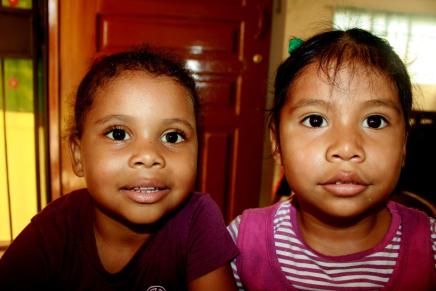
After a week or so of being in Casco Viejo every evening, we came across a church service in the middle of the street. Elderly, kids, and parents brought out plastic chairs and blankets from their apartments to sit and listen to the preacher standing atop a wooden crate. As we walked up, we were welcomed into the service and offered seats. The message was beautiful. The final line of the service summed up the greatest thing I learned from my time in Panama: “we may have nothing, but we can still be happy.”
I met many people throughout my time in Panama with very little: Kuna Indians living on remote islands, the Embera tribe living communally in the rainforest, and orphans in the middle of Panama City. None of these people acted downtrodden. They created their own joy in what they had, in nature, and in the people around them. From this, our group came up with a new word to describe how we wanted to live: “Yolar.” Drawing on influences form Drake, Yolar meant “to fully live,” because you only live once #YOLO. As fun as it was to joke around about it, it came to mean something more for me. Panama forever changed my perspective on life and now I’m out here just trying to create joy in every moment #YoYolo.
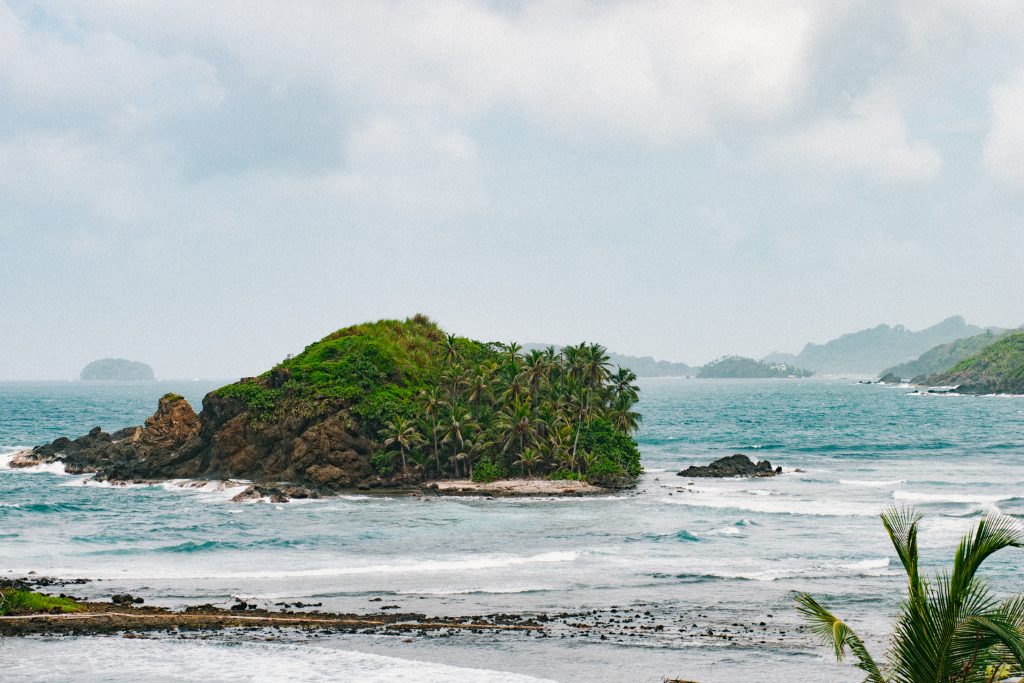
For specific information about excursions and things to do, click the links below! Panama is a wild time, so don’t miss out:
Excursions
- Boquete Coffee Plantation Tour and Mountain Hike
- Kuna Yala and Dog Island
- Panama City Orphanage- Aldeas Infantiles SOS Arequipa
- Miraflores Locks
- Gamboa Houseboat in the Canal
- Bocas del Torro
- Embera Tribe Hike and Visit
Read more on Mary Allison’s blog by clicking here!