The title of this post is not meant at as a dig at other generations, but to highlight the fact that millennials are raising the standards of being a citizen of the world. I see my generation demanding environmental and social sustainability for the goods and services we consume. If we are holding our tampon and dog food companies to higher standards, shouldn’t we be demanding the same from our own #wanderlust pursuits?
Throughout my travel experiences and conversations with individuals, I’ve grown to see that not all travel/tourism is socially or environmentally good for the host nations and communities. It was during some of my longer stays in Central America and Europe, that I really became conscious about engaging with locals and finding out what issues they faced in their everyday life. In these conversations, I began to learn what the true impact of tourism was to the individuals.
This post is written from the individual traveler’s perspective. My recommendations for property developers, national policymakers, non-profits, and travel companies would be more extensive. Additionally, this is written through a Latin American lens, based on my personal experiences and that my undergraduate studies focused on Latin America. However, many of these issues apply to other lesser-developed countries globally. Sub-Saharan African and Southeastern Asian countries in particular are experiencing some of the highest levels of tourism growth. So, while this post uses Latin American examples, these tips can help you avoid being the Billy McFarland of travel planning and f*cking over any community around the world.
DETERIORATION OF HUMAN QUALITY OF LIFE:
Inequality: After spending a month in Costa Rica, this issue was one I heard the most about from locals. We often assume that the influx of tourist spending in a country is good for the local economy and raises the wealth of the local population. However, much of the development comes from external countries and ends up in foreign banks. While mass tourism creates additional jobs, it often does little to improve the quality of life for local populations. Costa Rica’s poverty rates have stayed the same alongside the tourist industry growth. How often have you heard “it’s nice as long as you don’t leave the resort,” from tourists to Mexico, the Dominican Republic, etc.? THAT IS SHITTY and an indicator that the tourist dollar is not making it back into the local economies.
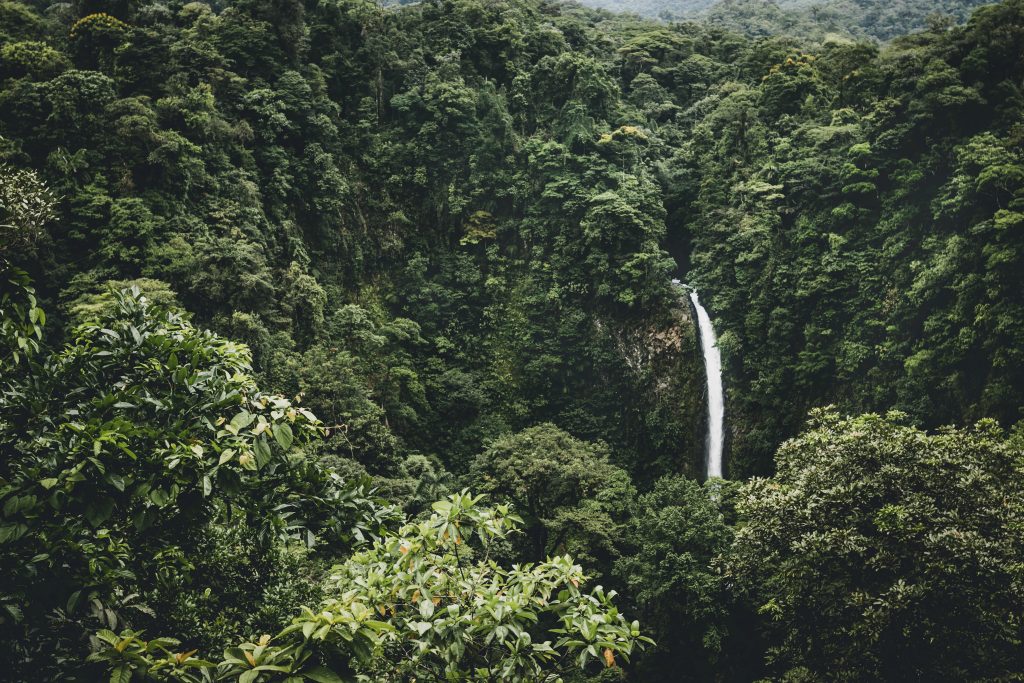
An additional effect, is the increase in cost of living due to tourist inflation. While I was in Costa Rica, my husband came out to visit. On the first day, we realized I didn’t have sunscreen for him #GringoHubs, so we stopped by a convenience store to pick some up. We chose the cheapest bottle and it was still $18. To put that into perspective, the average salary in Costa Rica is $750/month. According to intensive google-based estimates (not a hard fact), the cost to live comfortably in Costa Rica is around $1000/month. In order for tourism to have a positive impact on poverty rates, the industry must include the poor. This is a simple concept, but difficult to execute with external nations driving the tourism development in the lesser-developed host nations.
Crime: Another issue I heard about from locals during my time in Costa Rica, is the the increase in criminal activity. Pick-pocketing and robbery are commonly associated with the influx of tourism in lesser developed countries. However, tourism also fosters an increased demand for sex, drugs, and gambling. This can unfortunately lead to additional criminal activity and violations of human rights. The most prominent example I can think of is the influx of young girls trafficked to Brazil’s soccer stadiums for the World Cup. The demand for prostitution was so high due to the influx of tourists, that the country matched with supply. This is where the whole, “don’t be an asshole” ethical travel clause comes in.
LOSS OF WILDLIFE & ENVIRONMENT:
Water: The tourism industry’s impact on water is two-fold: 1) pollution and 2) overconsumption. Cruise ships are estimated to use 150 tons of fuel per day and dump 1 billion gallons of raw sewage into the ocean per year. Coastal developments also contribute to water pollution throughout construction, sewage discharge, run-off, and over-crowding. This in turn impacts the ocean’s ecosystem, coral reefs, and health of local populations. There are several ways to impact water pollution as an individual traveler including choosing “green” accommodations and avoiding cruise ship vacations.
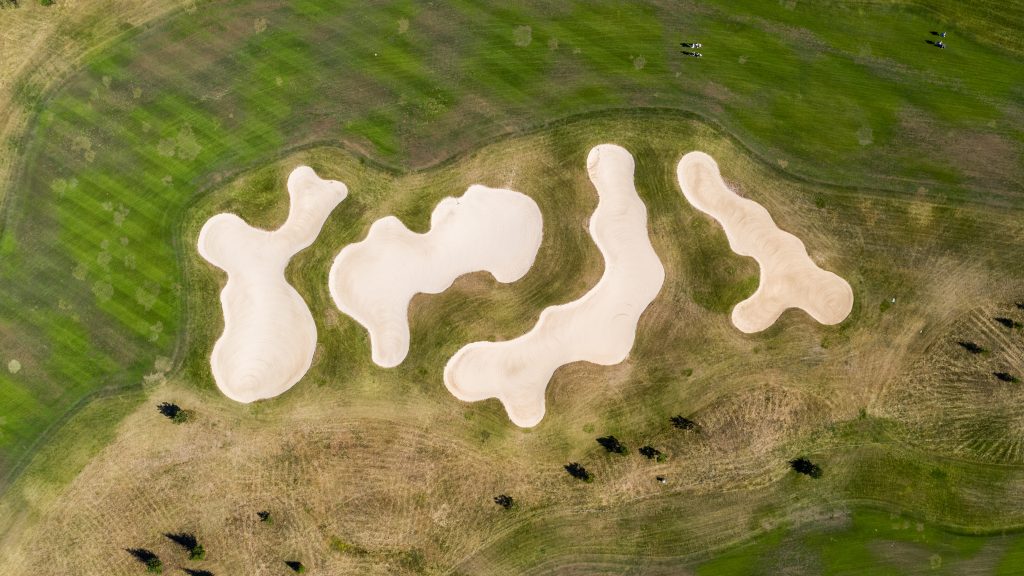
Additionally, water is a scarce resource, especially in island destinations. The UN estimated that 100 tourists use the same amount of water in 55 days that would be required to produce enough rice to feed 100 third-world county villagers for 15 years. However, the bulk of the water consumed in the tourist industry is actually for irrigation of gardens and golf-courses. Also, the number of pools contributes heavily to the overconsumption of water at resorts. Unfortunately in many lesser developed countries in the tourist industry, the water supply is diverted from domestic use to the resorts and hotels. The individual traveler can skirt some of these issues by opting for smaller-scale accommodations and switching up their recreational activities (I would never tell a golfer to quit, but if you’re not a golfer, maybe don’t pick it up on vacation).
Land: Another issue I learned about from locals while in Central America is the continued deforestation and overdevelopment. While agriculture is the main cause of deforestation, development of mega hotels and resorts is a contributor as well across Latin America, Sub-Saharan Africa, and Southeast Asia. Tropical deforestation not only affects the host country, but it is also a major contributor to climate change (it affects us all, so you should care about it!). Costa Rica is a good example for how country can comeback from vast deforestation and utilize ecotourism to support reforestation.
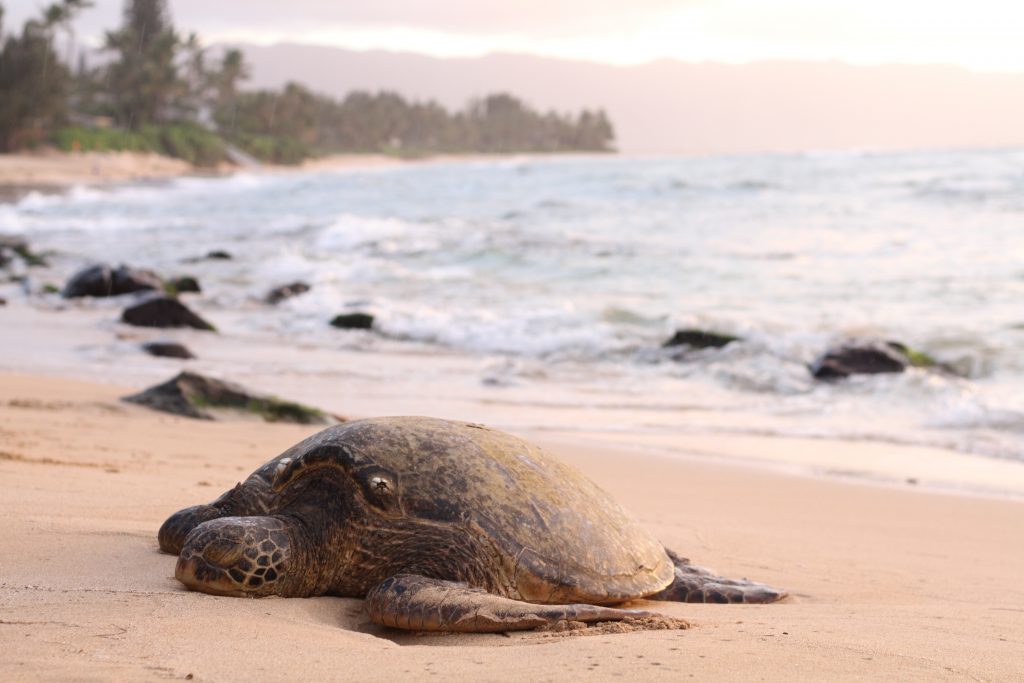
Wildlife: Water pollution, light pollution, and deforestation from the tourist industry have had a major impact on host country’s wildlife populations. Even Costa Rica, a “leader” in sustainable tourism efforts, is experiencing substantial losses of monkeys (down 50% over past 10 years) and leatherback sea turtles (down 97% over 20 years). While the individual traveler cannot overhaul government regulations, they can utilize more environmentally friendly accommodations and engage in conservation promoting activities.
EASY TIPS
- Avoid the water guzzling/polluting mega-hotels, all-inclusives, and cruise ships
- Opt for Airbnbs, home-stays, boutique hotels & eco-lodges to put the dollar straight into the local economy AND reduce negative impacts to the environment…win-win-win!
- Focus on enjoying one location at a time and taking the time to learn about the culture, instead hopping from port to port with little local interaction
- Look out for sustainability/green ratings on your accommodations
- Engage in your accommodation’s green initiatives (ie. saving towels, reusable water bottles)
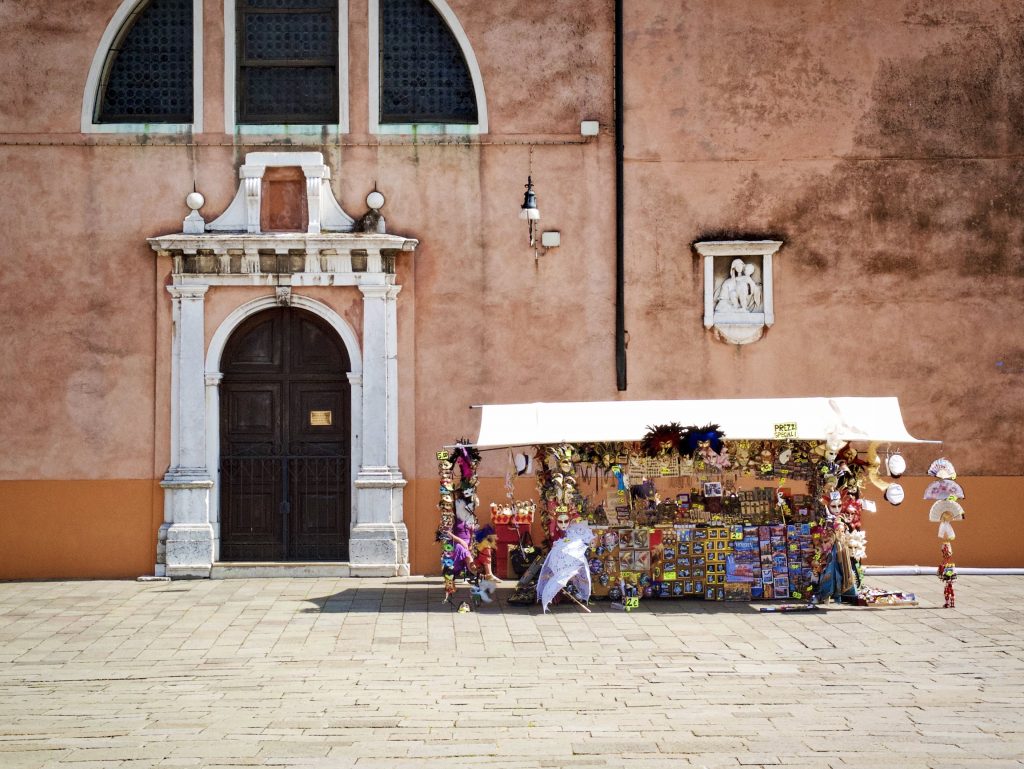
- Shop local goods & services, engage in the informal economy (ie. street vendors)
- Shop at local artisans, local restaurants, and farmers markets; this puts the dollar into the local economy
- Shop the informal economy; studies have shown it can account for 60% of the urban workforce and 20% of national income in lesser developed countries
- Choose local guides and tour companies with locals in varied levels of leadership, bonus points if you ask them about the impact of tourism and how you can enjoy their country ethically
- Don’t buy sex from children (this should be easy)
- Travel in the off-season to alleviate over-use stressors to the environmental and contribute to stability for workers in the tourist industry (added benefit is the lower cost to you…win-win-win!)
- Ecotourism is a good way to enjoy the country and put money back into conservation efforts, but be mindful of the company/guide’s activities to ensure they are practicing what they preach
- Switch to reef-safe sunscreen
- Engage in social projects or volunteering while in the country, this will also help raise your social awareness and allow for meaningful interactions with locals.
Read more from Mary Allison on her blog by clicking here!